Flexclearing
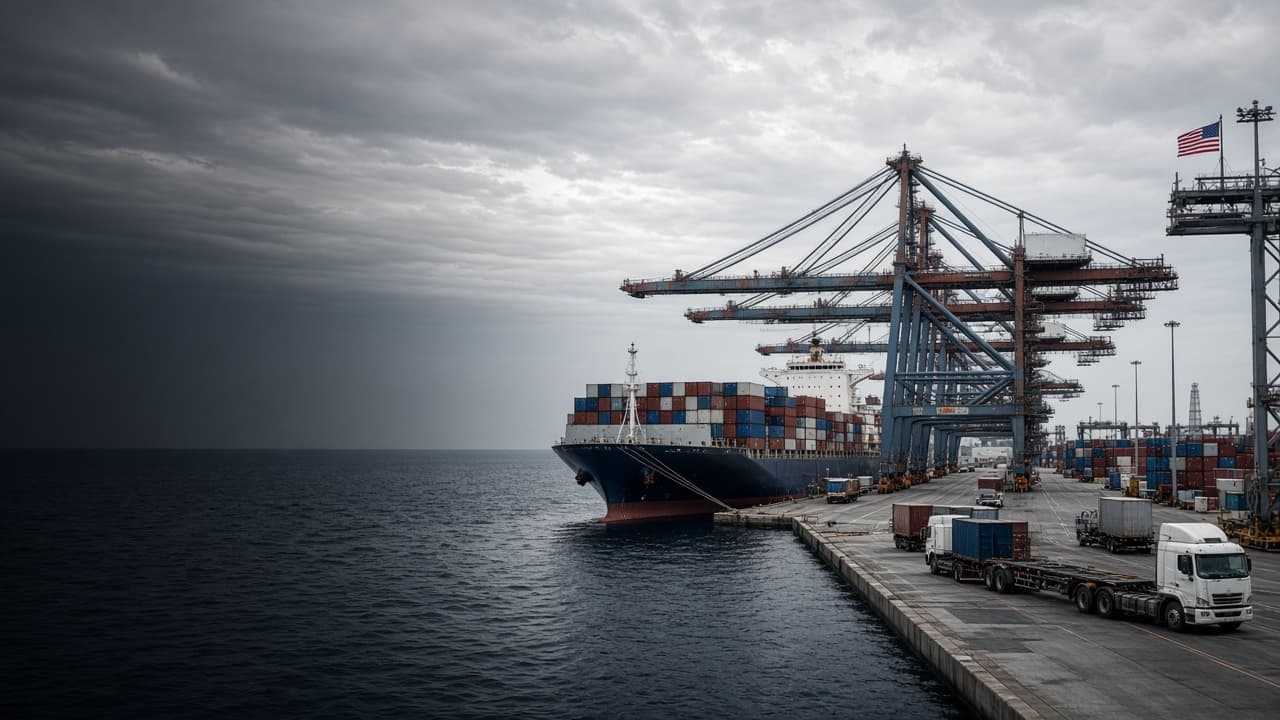
Container ship and trucks alongside gantry cranes at a U.S. port

U.S. Customs Guides

U.S. Customs Guides & Resources

Practical guides to U.S. customs clearance, import documents, duties, and compliance. Review the topics below to identify what may apply to your shipment.

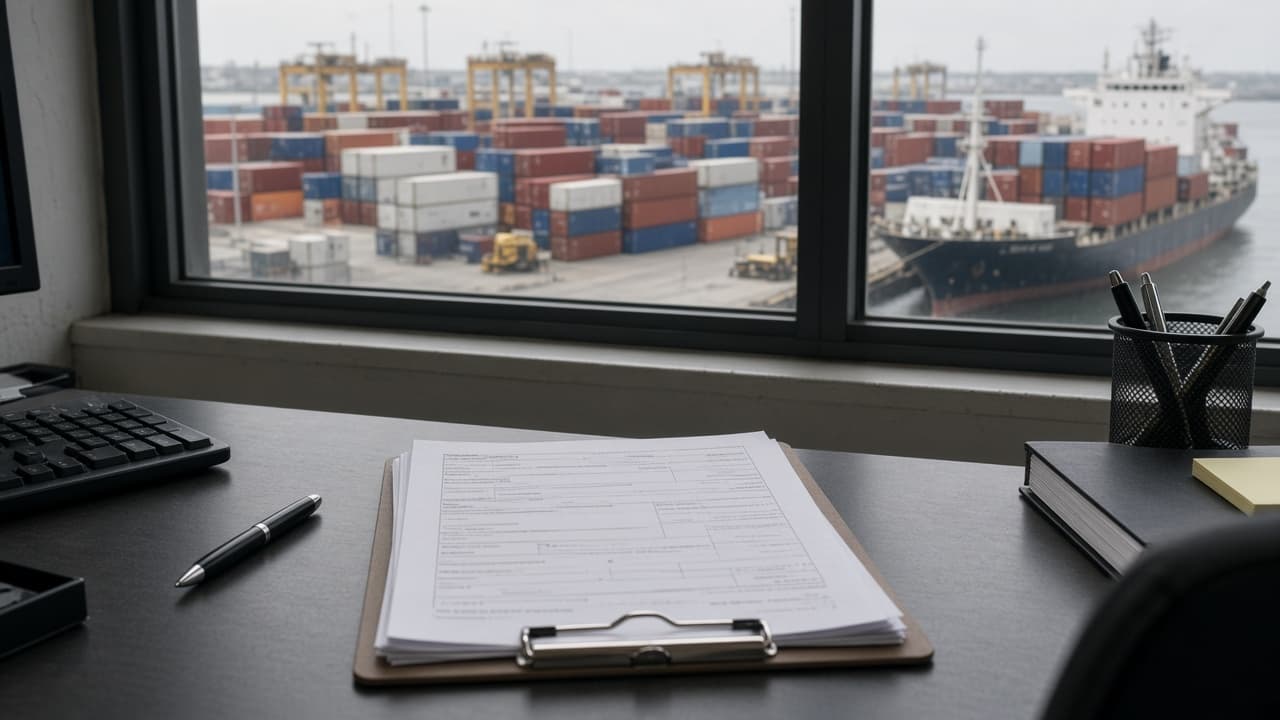
Import documents on a desk overlooking a container terminal and cargo ship

START HERE

How U.S. Customs Clearance Works

Documents and entry information may be reviewed before arrival. CBP and any applicable partner agency review the filing before cargo can be released.

  1. 1Document review
  2. 2Entry filing
  3. 3CBP / agency review
  4. 4Cargo release

Before arrival, identify the importer of record, confirm the product description and review the invoice, packing list and transport document. Ocean cargo may also require an advance ISF.

The entry is filed for CBP review, with product-specific data for any partner agency that regulates the goods. Release depends on the applicable agency decisions. After release, confirm that the airline, terminal or CFS has made the freight available before arranging pickup.

CBP: Filing a formal entry

DETAILED GUIDES

Plan the Next Step With the Right Information

These guides cover common U.S. import questions. Requirements depend on the product, entry type and current agency instructions.

Guide 01

Essential U.S. Import Documents

Know which shipment records support an entry and what should match before filing.

Start with the commercial invoice

The invoice should identify the goods, quantities, values and parties to the sale. A specific product description helps the entry filer review classification and any agency requirements. A vague label or a mismatch between invoice lines and the goods can delay review.

Match the packing and transport records

A packing list helps reconcile packages, weights and contents with the invoice. The ocean bill of lading or air waybill identifies the arriving shipment. Confirm that shipment numbers, consignee details and piece counts are consistent across the records you provide.

Check product-specific requirements

Some entries need product specifications, country-of-origin details, permits or partner-agency data. The required file depends on the product and entry type. Send available documents before arrival so missing information can be identified early.
Guide 02

ISF Filing & Customs Bonds

Understand the separate roles of advance ocean security filing and an import bond.

ISF is an advance ocean filing

Importer Security Filing applies to most ocean cargo bound for the United States. CBP generally requires eight importer data elements no later than 24 hours before the cargo is loaded aboard the vessel overseas; two additional elements have a later deadline. ISF is separate from the customs entry and is not an air-freight filing.

A customs bond serves a different purpose

A bond guarantees certain importer obligations to CBP, including payment of duties, taxes and fees. A single-entry bond covers one shipment; a continuous bond covers entries over a 12-month period. Which type is appropriate depends on the importer's activity and the entry requirements.

Plan both before the shipment moves

For ocean freight, collect the ISF parties and product information early enough to meet the loading deadline. Separately confirm whether the entry needs a bond and whether an existing bond is valid. A timely ISF does not replace the entry or guarantee cargo release.

Guide 03

HTS Codes, Duties & Tariffs

See why product classification is the starting point for a duty estimate.

Classify the actual product

The Harmonized Tariff Schedule of the United States (HTSUS) organizes imported goods by product characteristics. Material, function and composition can affect the correct classification. A supplier's shorthand or a marketing name is not enough to establish an HTS code.

Review the complete duty picture

The HTSUS lists ordinary duty rates and may also point to special rates or additional measures. Origin, customs value and applicable Chapter 99 provisions can affect the amount owed. A preliminary estimate can change when product facts or current tariff measures are confirmed.

Separate duty from logistics charges

CBP duties, taxes and fees are different from brokerage, terminal, storage and inland transportation charges. Keep those cost categories separate in a quote. For a binding classification decision, use CBP's ruling process rather than treating a website estimate as final.

Guide 04

FDA & Regulated Imports

Prepare for product-specific FDA review alongside the customs entry.

Identify FDA oversight early

FDA regulates many imported foods, drugs, medical devices, cosmetics and other product categories. The exact requirements depend on the commodity. Confirm the product, manufacturer and intended use before entry data is prepared; prior clearance of a different product is not proof this shipment will be admitted.

Submit complete product information

CBP refers FDA-regulated entry lines to FDA for admissibility review. Incomplete or inaccurate data can trigger manual review or a document request. Product identifiers, manufacturer details, labeling or other records may be needed depending on the goods.

Wait for the agency decision

Customs release and FDA admissibility are distinct decisions. FDA-regulated goods must not be distributed into U.S. commerce until FDA determines they are admissible. Arrange pickup and storage around the actual agency status rather than assuming an estimated release time.

Guide 05

Customs Holds & Cargo Examinations

Know what to confirm before rescheduling a held shipment's pickup.

Find the exact hold

A delayed shipment may have a CBP examination, a partner-agency document request or a separate carrier or terminal hold. These are different statuses with different release steps. Ask for the current entry and terminal status before assigning a pickup date.

Respond to the stated requirement

CBP may request supporting documents or direct an intensive physical examination. An intensive exam can require authorized transfer to a Centralized Examination Station. Provide the requested records and follow the agency's instructions; do not move held freight without required authorization.

Rebuild the delivery plan after release

An exam can change terminal availability, storage charges and trucking appointments. Confirm that the hold is removed and the cargo is physically available before booking the final pickup. No fixed examination or release time applies to every shipment.

AFTER RELEASE

What Happens After Customs Clearance?

Customs release does not finish the move. Cargo still needs pickup from the port or airport, inland transportation, warehousing when it is required, or delivery to the final U.S. address.

The next move depends on the gateway, the cargo, and where it must go. Flexclearing can coordinate clearance with those domestic steps.

View clearance and delivery
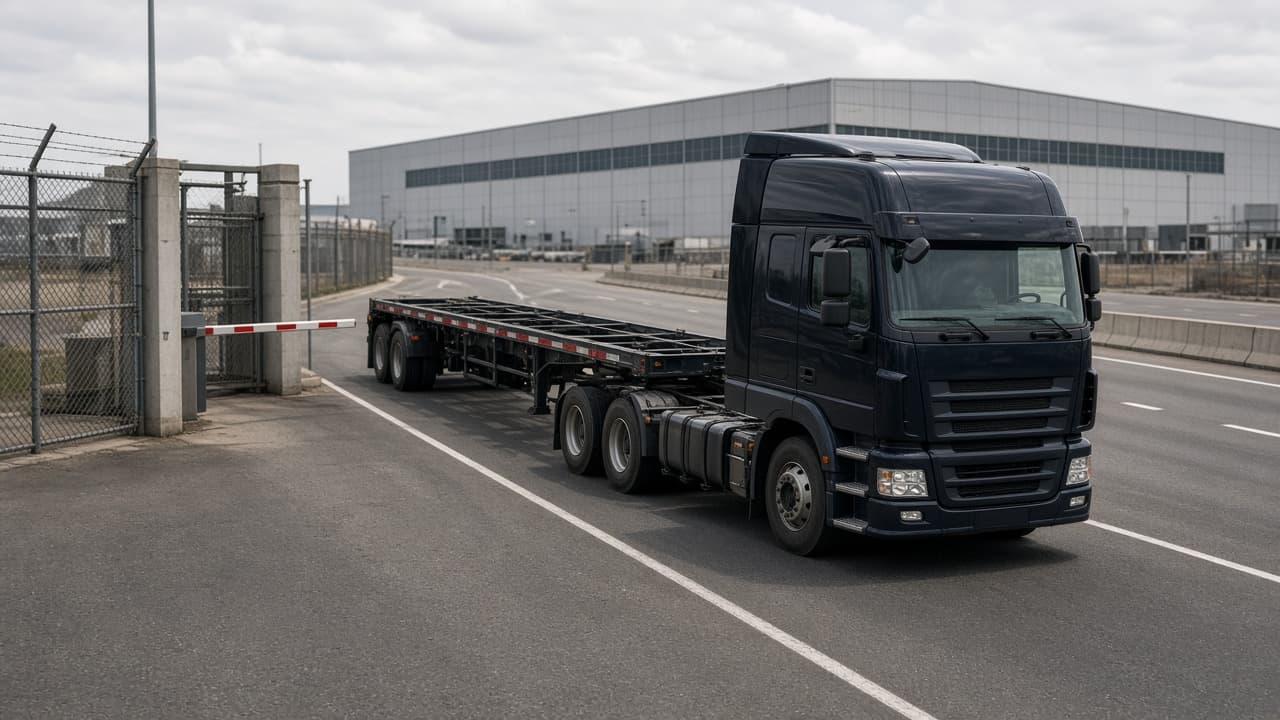
Container chassis truck leaving a port gate toward a U.S. warehouse
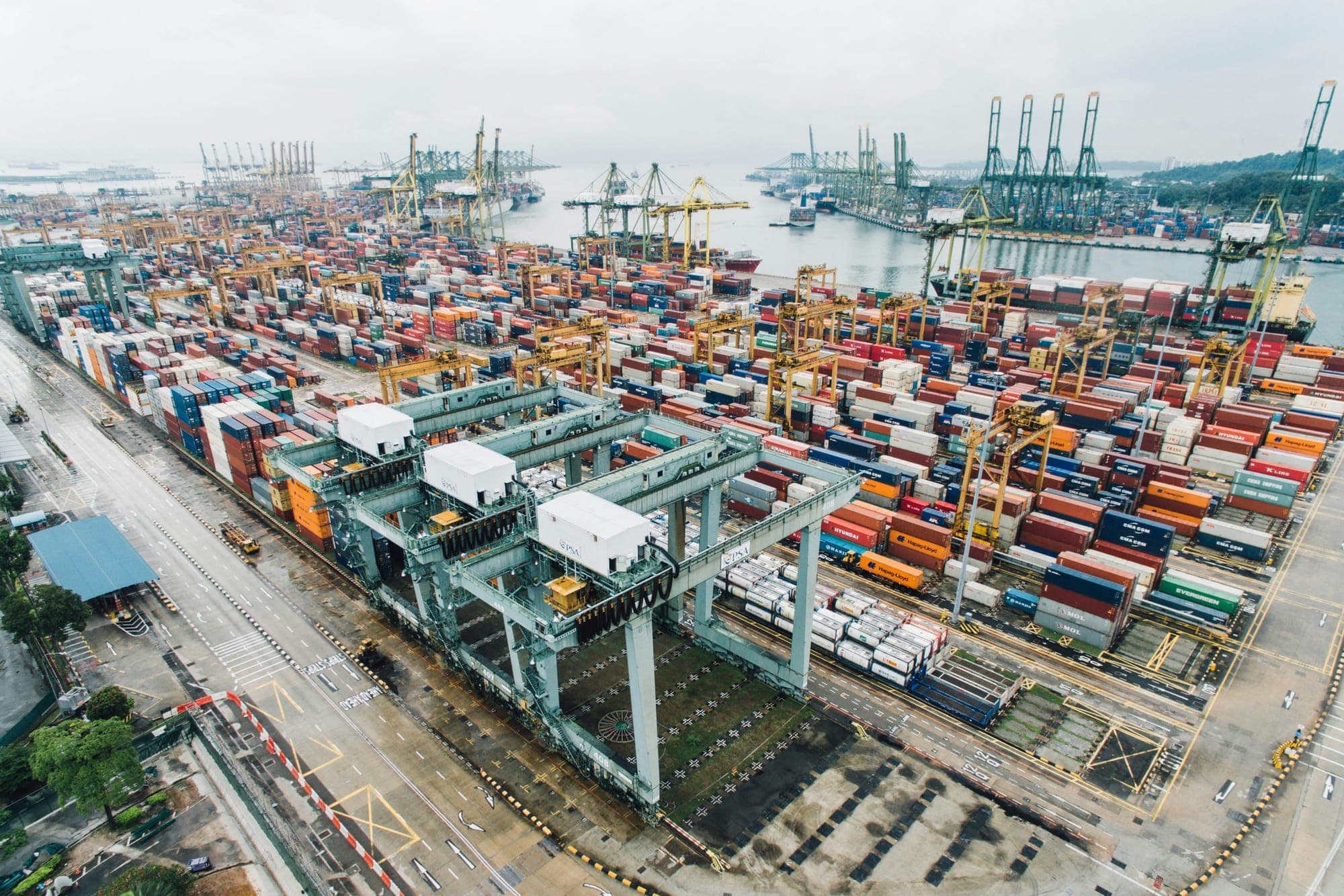
Container terminal ready for U.S. import cargo movement

Need Help With a U.S. Shipment?

Tell us where your cargo is arriving, what you are importing and where it needs to go. Our team can coordinate the next step.